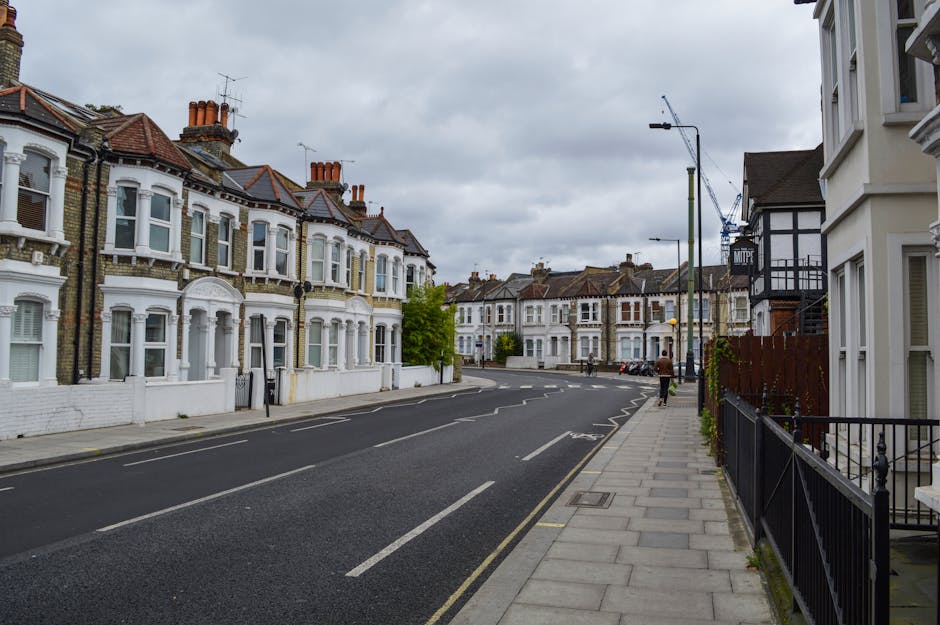
SW4 removals costs and parking tips for Clapham Common moves
If you are planning a move around Clapham Common, you already know the tricky bits are rarely the boxes. It is the kerb space, the timing, the narrow roads, the top-floor flat, the little things that quietly push a move from straightforward to slightly chaotic. That is exactly why understanding SW4 removals costs and parking tips for Clapham Common moves matters before moving day, not after the van is circling the block with nowhere to stop.
In this guide, we break down what affects removal pricing in SW4, how parking and access really change the job, and what you can do to save money without making the day harder than it needs to be. We will keep it practical, local, and grounded in the realities of moving near Clapham Common. Truth be told, a well-planned move can feel almost calm. Almost.
Table of Contents
- Why SW4 removals costs and parking tips for Clapham Common moves matters
- How SW4 removals costs and parking tips for Clapham Common moves works
- Key benefits and practical advantages
- Who this is for and when it makes sense
- Step-by-step guidance
- Expert tips for better results
- Common mistakes to avoid
- Tools, resources and recommendations
- Law, compliance, standards, or best practice
- Options, methods, or comparison table
- Case study or real-world example
- Practical checklist
- Conclusion
- Frequently Asked Questions
Why SW4 removals costs and parking tips for Clapham Common moves Matters
Clapham Common sits in one of those London pockets where moving is perfectly manageable, but only if you respect the details. SW4 has a mix of mansion blocks, converted flats, terraced houses, shared homes, and busy side streets. That combination affects everything: how long the crew can work, how close the van can get, how many trips are needed, and whether the job stays on schedule.
Costs are not just about labour. They are shaped by access, loading distance, stairs, parking restrictions, building rules, and whether the move can be done in one smooth run or turned into a stop-start puzzle. Parking is part of the cost story because awkward parking usually means more time, more effort, and sometimes a larger vehicle problem. If a van cannot stop close to the entrance, every item gets heavier in practical terms, not just physical terms.
For many Clapham Common moves, the main mistake is assuming a removal quote works like a fixed menu price. It rarely does. A one-bedroom flat on a quiet street with easy access is a very different job from a fourth-floor walk-up with no lift and limited kerb space. If you want a realistic budget, you have to think about the moving day conditions, not just the number of rooms.
Expert summary: In SW4, good removals planning is mostly about reducing friction. Park close, shorten carry distances, book the right vehicle size, and prepare for the building layout. That is where the savings usually come from.
How SW4 removals costs and parking tips for Clapham Common moves Works
Removal companies usually price local SW4 moves based on a mix of time, vehicle use, crew size, access difficulty, and any special handling involved. Some moves are quoted as hourly jobs, others as a fixed price after a survey or detailed inventory. Either way, the same practical issues shape the final number.
The cost typically rises when:
- there are multiple flights of stairs
- there is no lift or the lift is too small for furniture
- parking is far from the front door
- the move needs careful dismantling and rebuilding
- you have bulky items such as wardrobes, sofas, or a piano
- you need packing help or storage as part of the move
Parking changes the picture in a very direct way. If the van can pull up nearby, loading is faster and safer. If the van has to park a long way off, the team spends more time walking items back and forth. That extra movement can be enough to change the quote or extend the hourly charge.
In practical terms, the most helpful parking tip is simple: plan the vehicle stop point before moving day. Look at where a van can realistically stand without blocking traffic, upsetting neighbours, or risking a penalty. Even if the street looks wide enough in daylight, a delivery truck or another parked car can change the whole setup by 8am. London likes to keep you on your toes.
If your move is from or to a flat, it may help to look at a dedicated flat removals service because flat moves often need a different approach from standard house removals. For bigger properties, a house removals plan may be more suitable, especially if there is a larger inventory or heavier furniture.
What affects the price the most?
Not every job is priced the same, and the variables can stack up fast. The biggest price drivers in Clapham Common moves are usually access, volume, and time efficiency. A small move can become expensive if the building is awkward. A larger move can be efficient if parking is easy and everything is packed and ready.
Here is the short version: the smoother the logistics, the lower the friction. And friction is what you pay for.
Key Benefits and Practical Advantages
When you handle SW4 removals well, the benefits are not just financial. You also get a calmer moving day, fewer delays, and less chance of damage. That matters a lot when you are moving near Clapham Common, where road space can be tight and timings can be a bit unforgiving.
- Better cost control: Good access planning often reduces labour time, which is one of the main moving-day costs.
- Less stress: If the van has a clear stopping point, everyone can focus on moving rather than searching for parking.
- Lower risk of damage: Shorter carry distances mean fewer chances to bump walls, knock corners, or strain furniture.
- More accurate quotes: A company can estimate more honestly when you share the access details up front.
- Smoother scheduling: Fewer parking surprises means fewer domino effects across the rest of the day.
There is also a practical comfort in knowing you have not underplanned the job. People often budget for van time and boxes, then forget the hidden effort involved in stairs, tight hallways, and parking restrictions. That is where moving day turns awkward. Better planning avoids that.
If you are still gathering options, it can help to compare broader removal services rather than looking only at one vehicle size. A proper service fit is often more important than simply choosing the cheapest quote on paper.
Who This Is For and When It Makes Sense
This topic matters to anyone moving in SW4, but especially people moving around Clapham Common where access can be just as important as distance. The same advice applies whether you are moving a studio flat, a family house, or a shared property with awkward stairwells and limited loading space.
It makes particular sense if you are:
- moving into or out of a flat near Clapham Common
- living on a street with controlled parking or limited waiting space
- moving a long way from the entrance to the van
- carrying bulky furniture or fragile items
- trying to keep a local move within a tight budget
- booking a move for a busy weekday or month-end slot
Students and renters often feel this most sharply. A small move can still become surprisingly expensive if the vehicle cannot park nearby. If that sounds familiar, a student removals approach may be the right fit because it is designed around lighter loads, smaller budgets, and quicker turnarounds.
For homeowners, the moving day picture is different. You may need more packing support, more time, and a larger vehicle. In that case, a full home moves plan can be a better match, especially if there are multiple rooms and garden items to handle.
Step-by-Step Guidance
If you want the move to feel orderly rather than improvised, follow a simple sequence. It is not glamorous, but it works. And honestly, moving is one of those jobs where boring planning is a superpower.
- List everything you are moving. Start with the obvious items, then add the awkward ones: mirrors, lamps, bikes, boxes of books, and anything oversized.
- Measure access points. Check door widths, stair turns, lift size, and where furniture may need to be rotated or dismantled.
- Review parking near both addresses. Look at where a van can stop safely and how close it can get to the entrance.
- Confirm the move type. Decide whether you need a man and van, a larger removal vehicle, packing help, or storage.
- Book the right support level. A simple move may suit man with van style help, while larger or heavier moves may need a moving truck.
- Prepare items before moving day. Label boxes clearly, empty drawers if requested, and protect delicate items.
- Plan for timing buffers. Give yourself a bit of breathing room. One missing key or delayed lift can eat time quickly.
If you are considering packing support, it is worth reading about packing and boxes or fuller packing and unpacking services. Packing quality affects loading speed, and loading speed affects cost. Simple link, real impact.
A useful little habit: keep one box labelled "first hour essentials." Kettle, chargers, toilet paper, tea bags, medication, a snack. You will thank yourself later, probably around 5pm when the last box finally lands and the room still smells faintly of cardboard.
Parking tips that save time in SW4
- Check whether the van can stop close to the entrance without blocking access.
- Avoid assuming a space will be available just because it was free the day before.
- Consider early-morning loading if the street is busiest later on.
- Keep building entry instructions clear, especially for gated or shared properties.
- Tell the removals team about any loading bay, time limit, or resident-only parking setup in advance.
Expert Tips for Better Results
A few small decisions can make a visible difference to removal costs in Clapham Common. None of these are revolutionary, but that is the point. The best tips usually are not.
First, reduce carry time. If you can legally and safely get the vehicle nearer to the door, do it. Every extra minute spent walking between the flat and the van adds effort. For a large sofa or a stack of boxes, that effort adds up fast.
Second, be honest about volume. People often underestimate how much stuff they have. A shed, a hallway cupboard, and a utility room can quietly double the load. Sharing the full picture helps the company send the right van and enough hands.
Third, think about parking before the quote. It is much easier to budget accurately when the access conditions are clear. If the crew needs to cross a busy pavement, climb several floors, or wait for a space, that should be part of the conversation.
Fourth, separate what you do not need on the day. Selling, donating, or storing surplus items can trim the job down. If you need temporary space, storage can be useful between addresses, especially if completion dates do not line up neatly. They rarely do, of course.
Fifth, use the right vehicle for the job. A smaller van may look cheaper, but if it means extra trips, the savings can disappear. In some cases, one slightly larger vehicle is actually the more economical choice.
Sixth, ask about insured handling and equipment. Good movers should be ready for blankets, straps, dollies, and the right lifting approach. If a property has a tricky staircase or awkward landing, equipment matters a lot.
Common Mistakes to Avoid
Most moving problems in SW4 are predictable. That is the frustrating part. The good news is that predictable problems are usually preventable.
- Leaving parking until moving day. This is the classic one. If the vehicle has nowhere to stop, the whole schedule gets messy.
- Booking too small a vehicle. This can mean extra trips and extra labour, which is not a bargain by the end of the day.
- Forgetting stair and lift details. A quote that ignores access can be misleading.
- Not measuring large furniture. Wardrobes and beds are often the items that cause the real headache.
- Not telling the crew about delays. Completion overruns, key handovers, and building rules happen. Say so early.
- Packing loose or weak boxes. Badly packed boxes slow everything down and increase the chance of breakage.
Another mistake is treating all SW4 moves as identical. They are not. A basement flat near the Common, a townhouse with a narrow hallway, and a top-floor flat with no lift all behave differently on moving day. A good quote reflects that reality.
One more thing, and it sounds obvious but really is not: do not forget to check both ends of the move. People focus on the new address and assume the old one will be easy. Then they discover the outgoing street is the awkward one. Slightly annoying. Very common.
Tools, Resources and Recommendations
You do not need a drawer full of moving gadgets to make a local SW4 move work well. A few simple tools and a clear plan usually do the heavy lifting.
- Room-by-room inventory: Helps you estimate volume and spot bulky items early.
- Measuring tape: Useful for sofas, bed frames, doorways, and lift dimensions.
- Box labels and marker pens: Small thing, big payoff.
- Furniture protection: Blankets, covers, and padding reduce scratches and scuffs.
- Building access notes: Handy for concierge desks, intercoms, or gated entry.
- Parking notes for both addresses: A few lines on where the van can stop can save a lot of back-and-forth.
If you are comparing providers, look at whether they are set up for the type of job you need. Some moves are straightforward and can be handled with a man and van arrangement. Others need more structured removals support, especially if access is poor or there is a lot of furniture.
For delicate or unusually heavy items, a specialist service can be worth the extra planning. A piano removals approach, for example, is a different world from moving boxes and chairs. Best not to improvise with something that weighs as much as your regrets.
Law, Compliance, Standards, or Best Practice
For local moves in London, the main compliance issues usually sit around parking, safe loading, access, insurance, and property rules. Exact requirements vary by street, borough, and building, so it is sensible to treat parking as a practical planning issue rather than a guesswork exercise.
Best practice is to:
- avoid blocking driveways, junctions, or pedestrian routes
- respect any resident-only or controlled parking restrictions
- follow building access rules, especially in managed blocks
- make sure items are loaded safely to reduce injury and damage risk
- use insured movers for handling furniture and property access
Professional movers should also work in line with sensible health and safety practices. If you want a clearer idea of how a company approaches safe work, insurance, and handling, it is worth checking their insurance and safety information and their health and safety policy. That kind of transparency is reassuring, and frankly it should be standard.
You may also want to review terms and conditions before booking, especially if your move depends on building access, timing windows, or particular service expectations. A little clarity upfront avoids the awkward conversation later.
Options, Methods, or Comparison Table
Different move sizes need different approaches. Here is a simple comparison that may help you decide what fits your Clapham Common move best.
| Option | Best for | Strengths | Watch-outs |
|---|---|---|---|
| Man and van | Smaller flats, lighter loads, quick local moves | Flexible, often efficient, good for simple access | May not suit large furniture or many stairs |
| Van and crew | Medium moves with a fair amount of boxes and furniture | Better loading support, more adaptable | Can cost more if the job is underestimated |
| Full removals service | House moves, full flats, tricky access, busy schedules | More support, better for complex moves | Higher upfront cost, but often better value overall |
| Truck hire | People managing parts of the move themselves | Useful if you already have help and time | More manual work and more responsibility on you |
For a simple local move, a man with a van option can be a good fit. If you have a larger property or want more complete support, a broader removal companies search helps you compare service depth rather than only vehicle size.
Case Study or Real-World Example
Consider a typical SW4 scenario: a one-bedroom flat near Clapham Common, third floor, no lift, with limited street parking. The customer has a bed frame, sofa, dining table, a dozen boxes, and a couple of mirrors. On paper, that sounds modest. On moving day, the stairs tell a different story.
In a move like this, the quote can change depending on whether the van can park close by or has to stop further down the road. If the crew has a short carry distance, the job is more efficient and less tiring. If the van is forced into a distant bay, the move can take noticeably longer, especially with awkward furniture. That is where good parking planning starts to pay off.
The customer in this example sorted access details early, cleared the hallway the night before, and confirmed where the van could stop. That simple preparation reduced waiting time and kept the move smoother. Nothing dramatic. No miracle. Just fewer avoidable interruptions.
Then, because the completion time on the new place was slightly uncertain, a short-term storage option acted as a safety valve. Not ideal, but useful. Sometimes that is the real move strategy: make the day flexible enough to absorb one small surprise without everything wobbling.
Practical Checklist
Use this before you book and again the day before the move.
- Confirm the move date and any building access times
- Measure large furniture and awkward doorways
- Note stair counts, lift size, and hallway bottlenecks
- Check where the van can legally and safely park at both addresses
- Tell the movers about restrictions, permits, or loading concerns
- Book the right size vehicle and crew level
- Pack boxes firmly and label them clearly
- Set aside essentials for the first night
- Protect floors, corners, and fragile furniture where needed
- Keep contact details and arrival timing handy
If you are still comparing moving support, you may also want to look at removal van options for smaller jobs or removal truck hire for larger loads. Choosing the right scale can save money more often than people expect.
Conclusion
SW4 removals costs and parking tips for Clapham Common moves come down to one core idea: local moves are won or lost on logistics. If you manage access, parking, vehicle size, and packing well, the whole job becomes easier and usually more cost-effective too. If you leave those details until the van arrives, you can still get there, but the day gets heavier than it needs to be.
The good news is that Clapham Common moves are highly manageable when you plan realistically. Keep the parking conversation early, share the full picture, and choose the removal support that fits the property rather than the hope of a quick fix. That approach tends to save time, money, and a fair bit of stress.
Get a free quote today and see how much you can save.
And if you are feeling a bit overwhelmed, that is normal. A move is a big reset, after all. The trick is to make the practical parts work quietly in the background, so you can get on with settling into the new place.
Frequently Asked Questions
How much do SW4 removals usually cost?
Costs vary based on the size of the move, the number of stairs, parking access, distance carried, and whether you need packing or storage. A small local move may be relatively simple, while a larger flat or house move can cost more because it needs more time and labour.
Does parking really affect the price of a Clapham Common move?
Yes, it often does. If the van can park close to the entrance, loading is faster and safer. If the crew has to walk furniture a long way, the job usually takes longer and can become more expensive.
What is the best type of service for a flat near Clapham Common?
For smaller flats, a man and van or van-and-crew setup may work well. For larger flats, top-floor properties, or awkward stair access, a fuller removals service is often better value because it handles the job more efficiently.
Should I try to get a parking space before moving day?
Yes, if possible. At the very least, identify where the van can stop legally and safely. Do not assume a space will be free on the day, especially in busier parts of SW4.
What details should I give a removal company for an accurate quote?
Share the number of rooms, approximate box count, any bulky furniture, stair access, lift access, parking restrictions, and whether you need packing or storage. The more accurate the picture, the more realistic the quote.
Is a bigger van always more expensive?
Not necessarily. A larger van can sometimes be the more efficient choice if it reduces trips and loading time. The cheapest option on paper is not always the cheapest on the day.
How can I reduce removal costs in SW4?
Declutter before the move, pack well in advance, reduce carry distances where you can, and be honest about access. Booking the right vehicle first time also helps avoid extra trips and wasted time.
Do I need storage if my move dates do not line up?
Storage can be useful if you are between properties, waiting on keys, or doing part of the move in stages. It is not always necessary, but it can remove a lot of pressure when timings are uncertain.
What should I do if my building has awkward access?
Tell the movers early, measure doors and stair turns, and be realistic about what can be moved without dismantling. A small amount of preparation can prevent a lot of holding up on the day.
Are packing services worth it for a local move?
If you are short on time, have fragile items, or simply want a less stressful move, packing support can be well worth it. It often speeds up the whole process and can reduce the risk of damage.
What kind of move is best for students in SW4?
Students usually benefit from a smaller, flexible service that suits lighter loads and tighter budgets. If that sounds like your situation, student-focused removals can be a sensible fit.
How far in advance should I book a move near Clapham Common?
As early as you reasonably can, especially if you are moving at month-end, on a weekend, or during a busy period. Earlier booking gives you more choice on vehicle size, timing, and access planning.