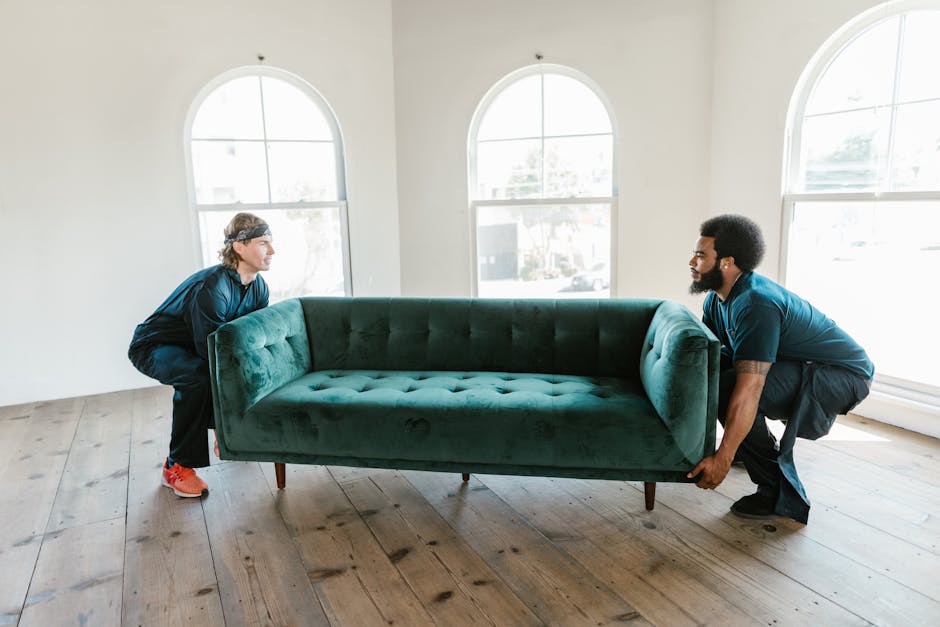
Abbeville Road moving insider tips for Clapham furniture moves
Moving furniture around Abbeville Road sounds straightforward until you're standing in a narrow hallway with a sofa that suddenly feels twice its actual size. If you're planning a Clapham furniture move, the difference between a calm job and a stressful one usually comes down to local know-how: timing, access, parking, building layouts, and how well the furniture is prepared before the van arrives. These Abbeville Road moving insider tips for Clapham furniture moves are designed to help you avoid the usual headaches and make the whole thing feel a lot more manageable.
This guide focuses on the practical details people often only learn the hard way. We'll cover what makes the area a bit trickier than it first looks, how furniture moves usually work, the best ways to prepare, and the small decisions that save time and protect your belongings. There's no fluff here. Just useful, grounded advice you can actually use.
Table of Contents
- Why Abbeville Road moving insider tips for Clapham furniture moves Matters
- How Abbeville Road moving insider tips for Clapham furniture moves Works
- Key Benefits and Practical Advantages
- Who This Is For and When It Makes Sense
- Step-by-Step Guidance
- Expert Tips for Better Results
- Common Mistakes to Avoid
- Tools, Resources and Recommendations
- Law, Compliance, Standards, or Best Practice
- Options, Methods, or Comparison Table
- Case Study or Real-World Example
- Practical Checklist
- Conclusion
- Frequently Asked Questions
Why Abbeville Road moving insider tips for Clapham furniture moves Matters
Abbeville Road sits in a part of Clapham where the charm is obvious and the logistics can be, well, a little less charming. Victorian and Edwardian-style properties, tighter entrances, shared stairwells, street parking pressures, and busy local traffic all affect how a furniture move unfolds. That matters because furniture moves are rarely about brute strength alone. They're about planning around the space you actually have.
On paper, a bed frame, wardrobe, or dining table is just an item. In reality, it has to make it from one room to another, down stairs, through a doorway, into a vehicle, and out again without damage. If any one part of that chain is misjudged, the whole job slows down. You'll notice this most when a piece that looked manageable suddenly meets a tight turn on a landing. It happens more often than people think.
The reason local tips matter is simple: moving in a place like Abbeville Road is not the same as moving from a wide-drive suburban house. Access choices, parking positions, and even the time of day can change how hard the job is. Good preparation turns a potentially awkward move into something that feels orderly. Not perfect, maybe, but orderly.
Expert summary: The best furniture moves in Clapham are the ones that feel uneventful. That usually means planning access first, breaking large items down where possible, protecting surfaces, and choosing the right moving method for the size of the job.
How Abbeville Road moving insider tips for Clapham furniture moves Works
A successful furniture move in this part of Clapham usually follows a simple chain: assess the property, measure key items, prepare access, protect the furniture, load in the right order, and unload with the new layout already in mind. That sounds basic, but the details matter.
1. Start with a proper access check
Before anything gets lifted, check the route from room to van. Look at hallways, staircases, door widths, sharp corners, and whether any items will need tilting or dismantling. If the property has a narrow stairwell or awkward entry, it's better to know that before moving day rather than after the sofa is already halfway out.
2. Match the moving method to the furniture
Not every job needs a large removal truck. Some furniture moves only require a smaller vehicle and two careful people. Others are better handled as a full removal service with more space and more lifting support. If you're comparing options, a general man with van service can work well for lighter loads, while a larger house move may need broader support through house removals or removal services.
3. Prepare the items themselves
This is where a lot of people cut corners. Remove shelves, drawers, loose handles, and detachable legs. Wrap fragile surfaces. Tape cords and accessories together. A wrapped mattress or protected table edge is easier to move and much less likely to get scraped on a doorframe. Simple job, really. Just don't leave it until the van is outside and everyone is already in motion.
4. Load with unloading in mind
Good loading is not random stacking. The items you need first should go in last, and the heaviest pieces should be secured so they don't shift. If there are multiple stops or storage involved, build the load order around that. For larger or heavier items, using a proper moving truck can make the process far easier than trying to squeeze everything into a vehicle that is too small.
5. Finish by placing each item where it belongs
At the destination, clear a path before unloading starts. It's a small thing, but it saves time and reduces bumping. If the move is into a flat, the stairs, communal areas, and lift access become part of the job. That's one reason flat removals often need more choreography than people expect.
Key Benefits and Practical Advantages
There's a reason people search for local moving tips rather than generic advice. A Clapham furniture move benefits from precision, not just effort.
- Less damage risk: Careful planning reduces scuffs, dents, and broken fittings.
- Faster turnaround: When access and loading order are planned, the job moves smoothly.
- Lower stress: You're not improvising in a hallway while the clock is ticking.
- Better cost control: The right moving method can avoid paying for more vehicle space or labour than you actually need.
- Cleaner handover: Furniture arrives in better condition and is easier to place where it belongs.
One practical advantage that people often overlook is decision clarity. Once you've checked your access, item sizes, and route, the rest of the move becomes much easier to organise. You know what needs dismantling. You know what needs wrapping. You know whether you need extra help. That certainty is worth a lot on moving day, to be fair.
There's also a comfort factor. Furniture is personal. It's not just "stuff." A dining table may have been with you for years, and a wardrobe might be one of the few pieces that genuinely fits the room. When those items are handled carefully, the whole move feels more respectful and less chaotic.
Who This Is For and When It Makes Sense
These tips are useful for anyone moving furniture in or around Abbeville Road, but they're especially helpful if your move involves awkward access, staircases, or multiple large pieces.
- Flat movers: Anyone moving into or out of a top-floor flat, basement flat, or shared building.
- Home movers: Households relocating beds, wardrobes, sofas, appliances, or dining sets.
- Students and young professionals: Smaller moves still need planning, especially where parking is tight.
- Landlords and tenants: Useful when clearing furnished properties or replacing bulky items.
- Small business owners: If you're moving office furniture, desks, chairs, and storage units, the same principles apply.
This is also relevant when you only need partial moving help. Maybe you've sold a sofa, bought a new wardrobe, or need one awkward item picked up from another address. In that case, furniture pick up and furniture removals can be a sensible fit.
If the move is broader than furniture alone, you may get better value from home moves or even a more tailored approach such as house removalists. The key is matching the service to the actual job, not the job you wish you had.
Step-by-Step Guidance
Here's a practical way to handle a Clapham furniture move without turning it into a weekend-long puzzle.
- List every item: Write down what is moving, what stays, and what needs dismantling.
- Measure large furniture: Check height, width, depth, and any fixed parts like arms or headboards.
- Measure the route: Doorways, stair corners, lifts, and the final room layout all matter.
- Decide what to disassemble: Beds, tables, and wardrobes often move better in parts.
- Protect the surfaces: Use blankets, covers, bubble wrap, or whatever is appropriate for the finish.
- Confirm access arrangements: Think parking, loading space, entry codes, and any building restrictions.
- Pack small components separately: Keep screws, bolts, and fittings in labelled bags.
- Prepare the destination: Clear a landing spot before the van arrives.
- Load heavy items first: Keep weight secure and stable during transit.
- Check each room on arrival: Place items carefully, then do a quick damage check before signing anything off.
A lot of people skip step one and step two and then wonder why the move feels messy. The truth is, the move usually starts days before the van arrives. Not glamorous, but very true.
Practical example: a sofa that will not fit
Say you've got a three-seater sofa going out of a first-floor flat. It clears the front room fine, but the landing has a tight turn. Instead of forcing it, measure the sofa diagonally, check whether the feet can be removed, and see if rotating it upright changes the fit. Often that little bit of rethinking saves a lot of swearing. Human beings, naturally, attempt brute force first. It's basically a tradition.
Expert Tips for Better Results
Here are the insider-style details that tend to separate a smooth move from a frustrating one.
- Move earlier than you think: Morning slots often give you better parking and less street congestion.
- Protect stair edges: If you're moving through tight hallways or stairwells, soft protection can prevent accidental chips and marks.
- Use consistent labels: Label fittings, fragile items, and destination rooms clearly. A vague "misc" box will come back to haunt you.
- Plan for weather: A light rain shower can turn a short walk from door to van into a slippery nuisance.
- Keep one essentials kit aside: Tape, scissors, markers, cleaning cloths, and a torch can save time when the light starts to fade.
- Don't overfill boxes: Furniture moves often go hand in hand with boxed items. Overloaded boxes slow everyone down.
Another useful trick is to create a simple room map at the new property. If the bed is going into the back room and the sideboard into the front room, say so in advance. This avoids the awkward "where do you want this?" conversation after the item is already on your toes. A bit of forethought. That's the real luxury.
If you're unsure whether a move needs just a van or something more substantial, comparing man and van, removal van, and removal truck hire can help you pick the right scale.
Common Mistakes to Avoid
Most moving problems are surprisingly predictable. The good news is that they're avoidable if you spot them early.
- Not measuring properly: Guessing the width of a wardrobe is how people end up stuck in a stairwell.
- Leaving dismantling too late: Furniture that should have been broken down ends up taking twice as long to move.
- Ignoring parking or access: If the vehicle has nowhere sensible to stop, everything slows down.
- Using the wrong service size: Too small and you need extra trips; too large and you may pay for space you don't use.
- Poor protection: Bare corners and unwrapped surfaces are asking for trouble.
- Forgetting the destination layout: A move gets much harder when each item has to be shuffled around after unloading.
There's one mistake I see more than others: people assume that because the furniture is "just going across Clapham," the move is automatically simple. Distance is only part of the story. Access, parking, and building type usually matter more than the postcode itself.
Tools, Resources and Recommendations
You don't need a warehouse full of kit to move furniture well. A small set of practical tools makes a big difference.
- Measuring tape: Essential for doors, stair turns, and item dimensions.
- Furniture blankets or covers: Protect finishes and reduce rubbing damage.
- Labels and marker pens: Helpful for fittings, boxes, and destination rooms.
- Zip bags or containers: Keep screws and bolts together.
- Tape: Useful, but don't tape directly onto delicate surfaces.
- Gloves and suitable footwear: Better grip, better control, fewer surprise slips.
For people who want extra support, packing and boxes and packing and unpacking services can save a lot of time, especially when a furniture move is happening alongside a full home relocation.
If the move includes heavier or more delicate items, you may also want to think about specialist support such as piano removals. Pianos are a category of their own, frankly, and deserve their own plan.
For bigger projects, it can help to compare removal companies and removal services based on what they actually include rather than just the headline price.
Law, Compliance, Standards, or Best Practice
Furniture moving is not usually a heavily regulated activity for the customer, but good practice still matters. In the UK, anyone carrying out a move should act with care around health and safety, property protection, safe lifting, and fair treatment of belongings. If you're hiring a mover, it's sensible to ask about insurance and how they handle damage risk before the job starts.
That is where clear policies and transparent terms help. A reputable provider should be able to explain how payments work, what insurance coverage is in place, and what happens if there's a complaint or issue after the move. If you want to understand those basics in advance, pages like insurance and safety, payment and security, and terms and conditions are the kind of pages worth reviewing.
Best practice also means sensible load handling, reasonable care when moving through shared spaces, and clear communication when access is restricted. If a building has rules about lifts, quiet hours, or loading bays, those should be followed. No drama, just respect for the building and the neighbours.
For companies that prioritise broader responsibility, it may also be worth understanding their approach to health and safety policy, recycling and sustainability, and general operational standards. Those details don't move your sofa, but they do tell you a lot about how the business works.
Options, Methods, or Comparison Table
Not every furniture move needs the same setup. Here's a simple comparison to help you choose the right approach.
| Method | Best for | Strengths | Trade-offs |
|---|---|---|---|
| Man with van | Small to medium furniture loads | Flexible, simple, often efficient | Limited space for larger or multiple bulky items |
| Removal van | Furniture-heavy local moves | Good balance of space and practicality | May need careful loading to maximise capacity |
| Moving truck | Bulkier or multi-room moves | More capacity, fewer trips, better for larger loads | Can be more than you need for a small job |
| Full removal service | Households moving several rooms of furniture | Broader support, less lifting pressure on you | Usually more involved than a simple pickup |
| Storage first | Gap between addresses or staged moves | Useful when dates do not line up neatly | Adds an extra handling step |
If your move is part of a bigger transition, storage can be a useful pressure valve. A short gap between properties does not have to become a crisis. Sometimes the smartest move is simply to not rush the final delivery.
Case Study or Real-World Example
A common Clapham scenario goes like this. A couple move out of a first-floor flat near Abbeville Road and need to take a bed, two wardrobes, a sofa, a dining table, and a few side units. At first glance it feels like a normal local move. Once they check the building, though, they realise the staircase turns sharply on the landing and the roadside parking is tight after mid-morning.
Instead of waiting until moving day, they measure every item, dismantle the wardrobes in advance, pack the screws into labelled bags, and separate glass shelving from the main load. They also choose a moving time earlier in the day and clear the hallway the night before. The move still takes effort, but it stops being chaotic. The furniture comes out without scraping the wall, the vehicle is loaded sensibly, and the final placement in the new property is quick.
That's the real lesson. Small preparation turns an awkward local move into a manageable one. Not magic. Just preparation that happens before the stress sets in.
Practical Checklist
Use this checklist the day before and on the morning of the move.
- Measure all large furniture pieces
- Check doorways, stair turns, and hallway widths
- Confirm parking and access details
- Dismantle any furniture that can be safely broken down
- Bag screws, bolts, and fittings separately
- Wrap fragile or easily marked surfaces
- Clear routes through the property
- Label destination rooms clearly
- Set aside essentials for tools and cleaning
- Check insurance, payment details, and booking terms
- Plan where each item will go in the new property
- Do a final walkthrough before leaving
Quick tip: If you only have time for three things, do these: measure, label, and clear the route. Those three alone prevent a surprising number of problems.
Conclusion
Abbeville Road furniture moves in Clapham tend to go best when you treat access, timing, and item prep as the main event rather than afterthoughts. The street itself may be familiar, but the logistics can still be fiddly. Measure properly, choose the right moving method, protect the furniture, and think through the destination before the van turns up.
If you're moving a single awkward item, a small local pickup, or a full household of furniture, the smartest next step is to match the move to the actual layout and load. That's what saves time, protects belongings, and keeps the day feeling under control. And honestly, that peace of mind is worth a lot.
Get a free quote today and see how much you can save.
One last thing: if the move feels a bit bigger than you first expected, that's completely normal. Furniture has a way of looking smaller until it needs to turn a corner. Happens to the best of us.
Frequently Asked Questions
What makes Abbeville Road furniture moves in Clapham different from a regular move?
The main difference is access. Streets, parking, stairwells, and building layouts in this part of Clapham can make even a short local move more involved than it first appears. Good planning matters more than distance.
Do I need to dismantle furniture before the move?
Not always, but it often helps. Beds, wardrobes, tables, and some shelving units are much easier to move when broken down into safer, lighter parts. It also reduces the risk of damage on tight turns.
Is a man with van service enough for furniture removals?
It can be, especially for smaller loads or a few large items. If you have several bulky pieces or need broader support, a larger vehicle or fuller moving service may be a better fit.
How far in advance should I book a furniture move?
As early as you can, especially if you need a specific day or time. Early booking gives you more flexibility around access, parking, and the best moving slot.
What should I measure before moving furniture?
Measure the furniture itself and the route it must take, including doors, hallways, stair turns, and lifts. People often measure the item and forget the route, which is where problems usually start.
What if my furniture does not fit through the stairwell?
First, check whether it can be dismantled further. If not, a different route, a different angle, or a different moving method may be needed. In some cases, specialist support is the safest option.
Are storage options useful for furniture moves?
Yes, especially if your moving dates do not line up neatly or you need to stage the move in two parts. Storage can take pressure off a tight handover.
What is the safest way to protect furniture during a move?
Use furniture covers, blankets, or suitable wrapping for the surface type. Remove loose parts, secure fittings, and avoid leaving exposed corners unprotected.
How do I avoid damage to walls and doorframes?
Plan the route, clear the pathway, protect vulnerable edges if needed, and make sure the furniture is carried with enough space and control. Rushing is usually what causes the bumps and scrapes.
What should I look for when comparing moving services?
Look at the size of the vehicle, the type of support included, how insurance and safety are handled, and whether the service suits your exact load. A cheap option is not useful if it creates more problems later.
Can I combine furniture pickup with a larger house move?
Yes, and that can be very efficient. If you are moving the rest of the property anyway, combining services may reduce duplicate trips and keep the job simpler.
What is the biggest mistake people make with local furniture moves?
Assuming that local means easy. In reality, local jobs can be the trickiest because people underestimate access issues and fail to prepare the furniture properly. A little planning goes a long way.